Monday, 5 November 2012

Conventions of Film Noir


Film noir used throughout the thriller genre is split into 4 main sections; Camera work, Themes/Mood, Characters and Mise-en-scene.
Camera work
All thriller movies are to include; obscure shots an example of this can be the camera in the point of view of someone spying, Extreme angles, these can be extreme high and low shots. An example can be seen below of an extreme angle in James Bond.
Compose space between characters, this is used to show suspicion and distance and CU/ECU of emotional response.
Themes/Mood
Thriller films are seen to be very dark and have a lot of enigma. Status is used a lot to symbolise which characters dominate the others; crime, betrayal, lust, discovery and bleak are shown as major moods throughout thrillers.
Characters 
All thrillers include the same characters in film; Detectives, Business men, Cops, Suspects, Gangsters (shady people) and Pretty girls (Damsels, Femme Fatale and Love interests). An example of femme fatale, Lana Turner is seen below.
Mise-en-scene
Mise-en-scene meaning everything within the scene, can be split up into 4 sections; Props, Sets/Locations, Lighting and Costume.
Two main props used in thriller are guns and cigarettes; these have been used since the beginning of the genre.
Sets/Location used are: Staircases, Lampposts, Alley, Bridges and very claustrophobic areas to add to the tension of the scene.
Lighting in thriller is very dark, usually there is a single source of light in the scene and its very artificial and harsh light, strong shadows are projected, this is used a lot on staircase scenes and there is a flood light projecting over the characters.

Costumes include a suit, this is usually for the detective like character, this outfit would also include a hat and the women are likely to be old glamour this includes a lot of dresses and furs.


Saturday, 3 November 2012


Women in Film-Noir

There are three main types of character that women in film-noir can be seen as; the marrying type, the good woman and the femme-fatale.

The marrying type was first seen in the late 1940s in “Pitfall” she threatens to domesticate the “hero” and make him fulfil to his social role. He finds this dull and this is what leads him to the femme fatale. The marrying type isn't seen as a dangerous woman, they are socially acceptable, and a sweetheart but they can be seen as dangerous as they are the ones who hold the hero back. 


The good woman is seen to embrace her traditional “place” in the family, but is out of place in film-noir. Although she is seen to offer escapism for the hero the story, she is a mirage that that the hero cannot reach. The good woman offers lack of excitement and contrasts with what is expected of film-noir. In 1946 when “The Killers” was released, it showed that the good woman lost the hero to the femme fatale. 


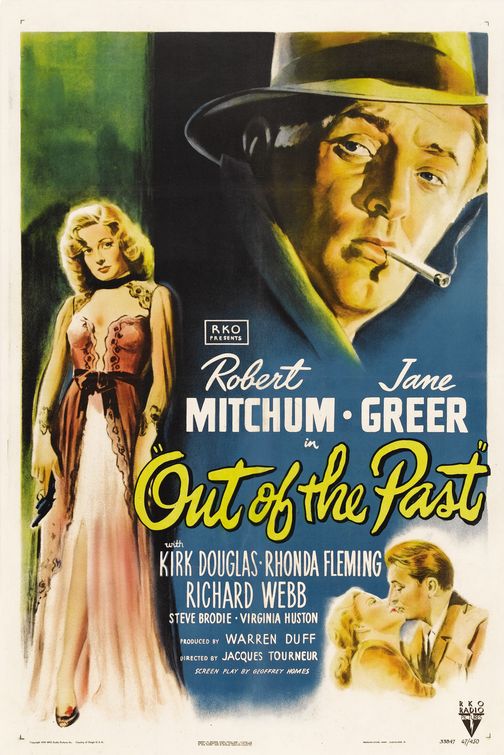
 • The Femme-fatale character is an attractive and seductive woman who will ultimately bring disaster to a man who becomes involved with her. She rejects the conventional roles of a woman such as; devoted wife and loving mother that society expects. In the end her transgressions of social norms usually result in her downfall and of the men around her, this supports the existing social order, that a woman will be punished if she is powerful and independent. The femme-fatale character is very independent and if confined within a marriage, she will result to murder in order to escape, in the 1947 "Out of the Past" Kathie Moffett shoots her way out of a relationship. 


Film-Noir German Expressionism

Film Noir